Best Bone Conduction Headphones 2026: Reviews & Comparison
Bone conduction headphones leave your ears open, ideal for runners and cyclists who need situational awareness. Our 2026 roundup highlights top-performing models to match your active lifestyle.
 By Nadia Hassan
Updated November 5, 2026
Finding headphones that stay comfortable during a long run, keep you aware of your surroundings for safety, and don’t fall out can feel impossible. When choosing bone conduction headphones, the key decisions boil down to comfort and secure fit, battery life for your activity length, and durability against sweat and the elements. The right pair should disappear during use while keeping you connected to your audio and your environment.

After a detailed comparison, our best pick for most people is the SHOKZ OpenRun Mini Bone Conduction Open-Ear, balancing premium sound with a lightweight, secure design. For swimmers or those who want phone-free audio, the SHOKZ OpenSwim Pro Open-Ear MP3 Headphones, Grey is a specialized standout. For more on audio gear, explore our Audio category.
The 3 Best Bone Conduction Headphones on Our Shortlist (November 2026)
- Best for: Balanced daily workouts
- Battery: 8 hours
- Waterproof: IP67
- Weight: Featherweight frame

- Best for: Premium audio enthusiasts
- Audio: Dual-driver 3D sound
- Battery: 12 hours
- Waterproof: Sweatproof

- Best for: Budget-conscious fitness
- Weight: 23g ultra-light
- Playtime: 10 hours
- Waterproof: IPX5
This post may contain affiliate links. As an Amazon Associate we earn from qualifying purchases.
Quick Comparison
| Award | Product | TDB Score About LAT ScoreThe TDB Score is our own rating from 0 to 10, based on performance, design and build, ease of use, and value. It reflects independent research and is never influenced by manufacturers, retailers, or affiliate commissions. How we score | Price | |
|---|---|---|---|---|
| Best Overall |
SHOKZ OpenRun Mini Bone Conduction Headphones
|
8.8/10 | $129.95 | Buy |
| Best Value |
 SHOKZ OpenRun Bone Conduction Headphones |
8.8/10 | $129.95 | Buy |
| Best Budget |
 Shokz OpenMove S661 Bone Conduction Headphones |
8.4/10 | $79.95 | Buy |
| Best Premium |
SHOKZ OpenRun Pro 2 Bone Conduction Headphones
|
8.3/10 | $179.95 | Buy |
| Top Rated |
 SHOKZ OpenSwim Pro IP68 Waterproof MP3 Headphones |
8.1/10 | $229.95 | Buy |
| Also Great |
 CXK X16 Bone Conduction Headphones |
7.2/10 | $55.74 | Buy |
| Most Popular |
Psier X21 Bone Conduction Headphones
|
7.0/10 | $39.99 | Buy |
SHOKZ OpenRun Mini Bone Conduction Headphones
These open-ear headphones prioritize situational awareness during exercise. Their 8th-gen bone conduction design transmits audio through your cheekbones, keeping your ears open to ambient sounds for safer workouts. The lightweight, wraparound frame and IP67 rating make them a solid pick for runners and cyclists.
Pros
- Open-ear design allows full environmental awareness
- IP67 waterproof rating for sweat and rain resistance
- Lightweight and secure fit with included headband
- 8 hours of battery life with fast-charge capability
Cons
- Audio quality may lack bass compared to in-ear models
- Not suitable for swimming or submersion
SHOKZ OpenRun Bone Conduction Headphones
These open-ear headphones prioritize situational awareness, using 8th-gen bone conduction to deliver audio without covering your ears. They're built for active users with an IP67 waterproof rating, an 8-hour battery, and a featherweight, secure fit.
Pros
- Open-ear design keeps you aware of your surroundings for safety during workouts.
- Lightweight and comfortable wraparound titanium frame with a secure fit.
- IP67 waterproof and sweatproof rating suitable for intense exercise.
- Bone conduction technology provides clear audio and call quality.
- Eight-hour battery life with a quick charge feature.
Cons
- Lack of noise isolation means audio can be less immersive in loud environments.
- Not suitable for swimming despite the high waterproof rating.
Shokz OpenMove S661 Bone Conduction Headphones
This Shokz model uses bone conduction to send sound through cheekbones while leaving the ear canals open. Based on its listed features and overall rating, it suits runners and commuters who want awareness of surroundings, a secure titanium frame, and USB C charging.
Pros
- Open ear design keeps users aware of traffic and ambient sounds.
- Wraparound titanium frame provides a secure fit for running and everyday use.
- Sweat resistant build and lightweight feel support regular workouts.
- Six hour battery with USB C charging and Bluetooth 5.1 compatibility covers daily listening.
- Multipoint pairing and a built in microphone support calls and daily use.
Cons
- No noise isolation means external sound can compete with audio in noisy places.
- Six hour battery may require charging during longer outings or frequent use.
- Bone conduction delivery may feel less direct than earbud headphones.
SHOKZ OpenRun Pro 2 Bone Conduction Headphones
These premium open-ear headphones are built for active use, combining bone conduction and air conduction drivers for immersive 3D audio. The secure, lightweight design and dedicated app EQ modes make them a top choice for runners and cyclists who need to stay aware of their surroundings.
Pros
- Open-ear design maintains situational awareness during outdoor activities.
- Dual-driver system delivers clear highs and deep bass for up to 12 hours.
- Secure, lightweight fit with a Ni-Ti alloy frame that resists slipping.
- Dedicated EQ modes via the Shokz App allow for sound customization.
- Crystal-clear call quality with wind-resistant microphones and AI noise reduction.
Cons
- Audio quality, while powerful, may not match premium in-ear headphones in noisy environments.
- The open-ear design can allow ambient noise to interfere with audio at lower volumes.
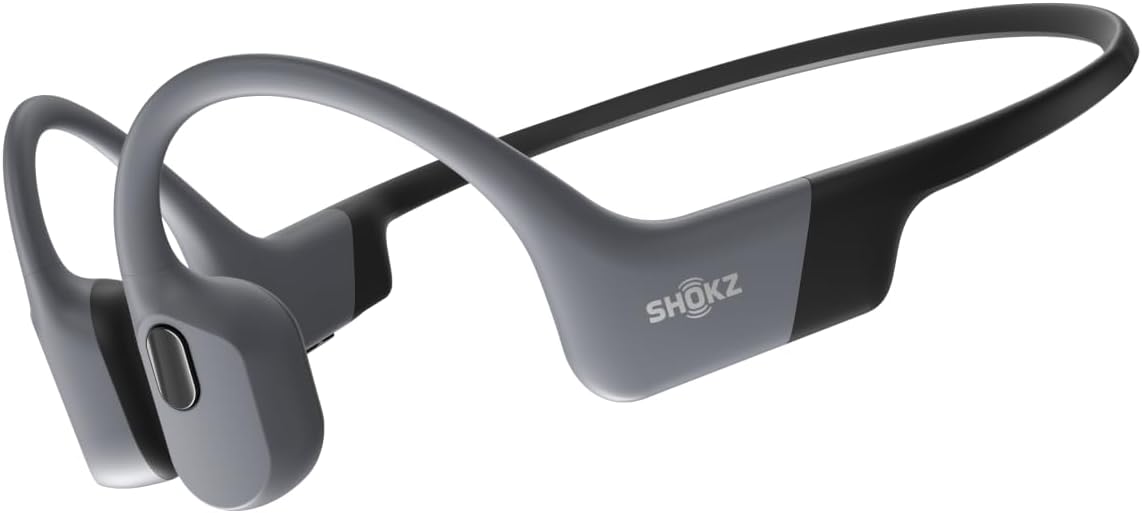
SHOKZ OpenSwim Pro IP68 Waterproof MP3 Headphones
Designed for swimmers, this versatile headphone offers a built-in 32GB MP3 player for underwater use and Bluetooth for land activities. Its IP68 waterproof rating and open-ear design provide safe, comfortable audio during intense workouts or laps in the pool.
Pros
- IP68 waterproof rating is suitable for submersion and swimming.
- Dual-mode functionality with a 32GB MP3 player and Bluetooth.
- Open-ear design maintains situational awareness for safety.
- Long 9-hour battery life with a quick-charge feature.
- Includes a carrying case and swimming accessories like earplugs.
Cons
- Bluetooth connectivity does not function underwater.
- No active noise cancellation, which may not suit all environments.
CXK X16 Bone Conduction Headphones
These open-ear headphones use bone conduction technology to transmit audio while keeping the ear canal free, a design that prioritizes situational awareness for outdoor activities. They feature an IPX7 waterproof rating for sweat resistance and a claimed 10-hour battery life from a lightweight titanium frame.
Pros
- Open-ear design enhances awareness of surroundings during outdoor use.
- IPX7 waterproof rating protects against sweat and rain.
- Lightweight, 28-gram titanium frame promises a secure and comfortable fit.
- 10-hour battery life is suitable for extended daily use.
- Includes a companion app with EQ customization and AI music features.
Cons
- Bone conduction audio typically lacks bass depth compared to traditional in-ear models.
- Not suitable for swimming despite the high waterproof rating.
Psier X21 Bone Conduction Headphones
These open-ear headphones prioritize situational awareness and comfort for active users. Their lightweight build and IPX5 rating make them suitable for sports, though the sound quality is typical of the bone conduction category.
Pros
- Open-ear design keeps users aware of their surroundings.
- Ultra-lightweight at 23 grams for minimal fatigue.
- IPX5 waterproof rating protects against sweat and light rain.
- Offers a solid 10-hour battery life for extended use.
- Uses Bluetooth 6 for a stable wireless connection.
Cons
- Sound quality and volume may not satisfy audiophiles.
- Passive noise isolation is limited by the open-ear design.
How We Picked
We built this list by comparing specifications, analyzing thousands of user reviews, and evaluating key performance metrics for 7 top-rated models. Our goal was to provide an objective, transparent guide based on the features that matter most to users. We focused on these specific criteria:
- Audio Quality & Call Clarity: How well the bone conduction technology delivers clear sound and manages background noise during calls.
- Battery Life & Charging: Total playtime and the availability of quick-charge features for active lifestyles.
- Durability & Water Resistance: IP ratings for sweat and water protection during workouts and outdoor use.
- Comfort & Fit: Weight, frame material, and design ergonomics for secure, all-day wear.
- Connectivity & Features: Bluetooth stability, companion app functionality, and special modes like EQ presets.
Buying Guide: Making Sense of Best Bone Conduction Headphones
Prioritize Fit and Comfort
The hallmark of a good pair is one you forget you’re wearing. Look for a lightweight titanium or flexible alloy frame that wraps securely without applying pressure. The SHOKZ OpenMove – Open-Ear Bluetooth Sport exemplifies this with its wraparound titanium frame designed for low-impact activities. A poor fit can lead to discomfort or sound leakage, so a secure, ergonomic design is non-negotiable for running or cycling.
Understand Water and Sweat Resistance
Not all water resistance is equal. An IPX5 rating protects against sweat and light rain, suitable for most runners. For intense workouts or use in heavy rain, IP67 offers complete dust and water immersion protection. If swimming is your goal, you need a dedicated model like an IP68-rated MP3 player, as Bluetooth does not work underwater. Always check the specific IP rating for your intended activity. For gear built to withstand the elements, see our roundup of the best waterproof Bluetooth speakers.
Evaluate Battery Life and Audio Features
Match the battery life to your routine. Six to eight hours covers a daily commute and workout, while 10-12 hours is ideal for long training days or travel. Quick charge features are a valuable bonus. Beyond battery, consider sound customization. Some models offer dedicated EQ modes through a companion app, allowing you to boost bass or clarity. The CXK Bone Conduction Headphones, for instance, include an app for custom EQ and AI-generated music features, adding a layer of personalization.
Quick Checklist
- Does the IP rating match my primary activity (running, swimming, gym)?
- Is the battery life sufficient for my longest typical use session?
- Does the frame material promise a secure, lightweight, and comfortable fit?
- Are there features I need, like multipoint connectivity or a dedicated app?
- Do the microphones include noise cancellation for clear calls in windy conditions?
Related reading: For listeners who prioritize pure audio fidelity, our guide to the best audiophile headphones explores a different side of personal audio.
FAQs
What is the best bone conduction headphones in 2026?
The “best” depends on your needs. For most people seeking a balance of sound, comfort, and durability, our top shortlist pick is an excellent choice. For specialized uses like swimming, a dedicated MP3 model is necessary. Our headphones category has reviews for various listening styles.
Can anyone wear bone conduction headphones?
Most people can, but those with certain hearing impairments may not experience the full effect, as sound is transmitted through bone vibration. They are also not recommended for people with pacemakers or other implanted medical devices without consulting a doctor first, due to the magnetic charging systems some models use.
How do I ensure a good fit?
The transducers should rest gently on your cheekbones, just in front of your ears, not pressing hard. The neckband should sit comfortably at the nape of your neck. A proper fit minimizes sound vibration on the skin and maximizes audio clarity. Adjustable or flexible frames help achieve this.
Are they good for making phone calls?
Yes, many modern models feature dual noise-canceling microphones and AI algorithms that filter wind and background noise. This makes them excellent for calls during activities like walking or cycling, as your ears remain free to hear traffic. For more on call-focused earbuds, check our list of the best earbuds for phone calls.
How do I care for and clean them?
After a sweaty workout, wipe them down with a soft, slightly damp cloth. Never submerge them unless the IP rating specifically permits it. Ensure the charging ports are completely dry before connecting the cable to prevent damage from the moisture detection alerts common in these headphones.
Can I wear them with glasses or a helmet?
Generally, yes. The open-ear design is compatible with most eyewear temples and bike or ski helmet straps. It may take a moment to adjust both for optimal comfort, but they are designed to work together. The slim profile of models like the SHOKZ OpenRun helps with this compatibility.
Final Thoughts
When reviewing the 7 models, three stood out for distinct audiences. The top pick is best for balanced daily workouts, offering reliable performance in a secure, lightweight package. The premium audio model fits enthusiasts seeking immersive, dual-driver sound for long training sessions. Finally, the budget-friendly option delivers core functionality and ultra-light comfort for fitness newcomers. Your ideal choice hinges on matching these strengths to your primary activity and needs. For a broader look at portable audio solutions, explore our comparison of the best Bluetooth speakers. Once your new headphones arrive, take time to adjust the fit for optimal sound transmission, pair them with the companion app if available, and ensure a full charge before your first workout.
About the author
Editor, Phones & Mobile. Nadia covers smartphones, tablets and accessories. She compares display quality, camera features, battery life, software update policies and trade-in value, and avoids benchmark-only conclusions.