The 7 Best Dive Computers of 2026
Best dive computers keep your ascent safe and your bottom time clear. The 2026 models from trusted brands give recreational and technical divers reliable choices.
 By Rachel Green
Updated November 5, 2026
Choosing a dive computer can be a daunting decision, plagued by concerns over confusing interfaces, inaccurate decompression algorithms, and poor readability in low-light conditions. The key decisions for divers boil down to three essentials: selecting the right algorithm for your diving style, ensuring a clear and customizable display for at-a-glance information, and prioritizing reliable air integration and battery life for extended safety.
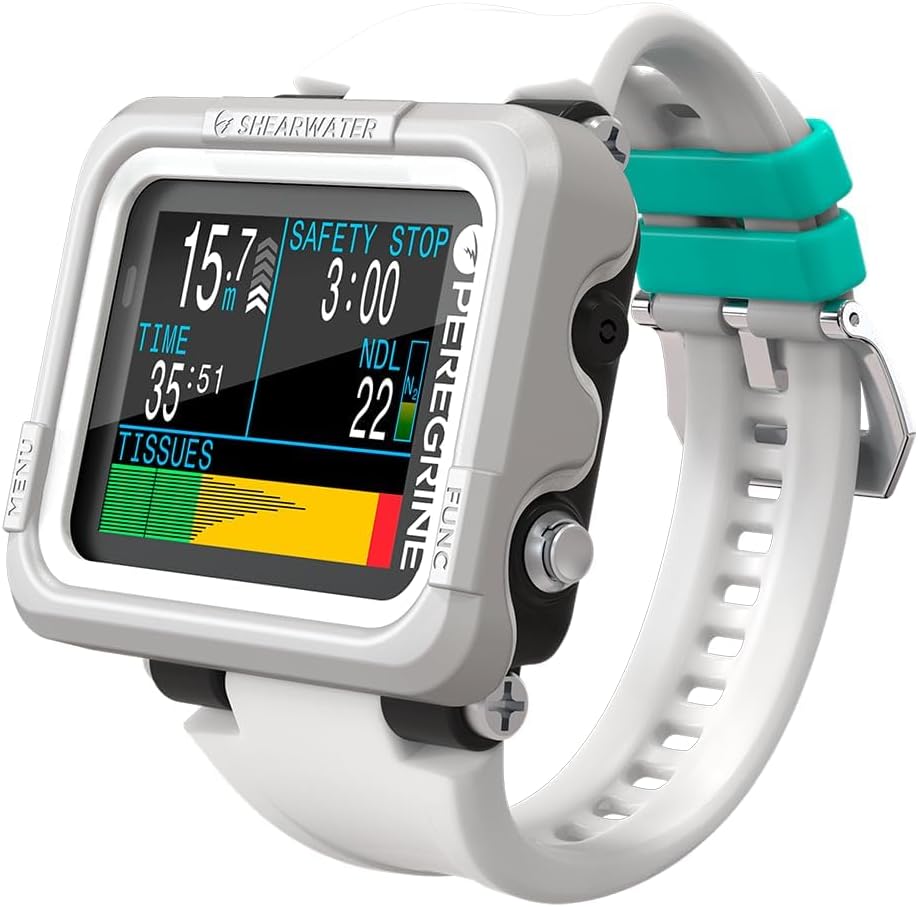
After analyzing the market, we recommend the Shearwater Peregrine Dive Computer as the best overall choice for its balance of features and usability. For divers who want a full-featured smartwatch companion, the SUUNTO Ocean Dive Computer stands out. For more insights on tech gear, check out our cameras category.
The 3 Best Dive Computers on Our Shortlist (November 2026)
- Best for: Intuitive navigation and wireless features
- Display: Full-color LCD
- Battery: 30 hours
- Algorithm: Bühlmann ZH-L16

- Best for: Multisport GPS and advanced diving
- Display: Color AMOLED touchscreen
- Battery: 40 hours dive mode
- Algorithm: Bühlmann 16 GF
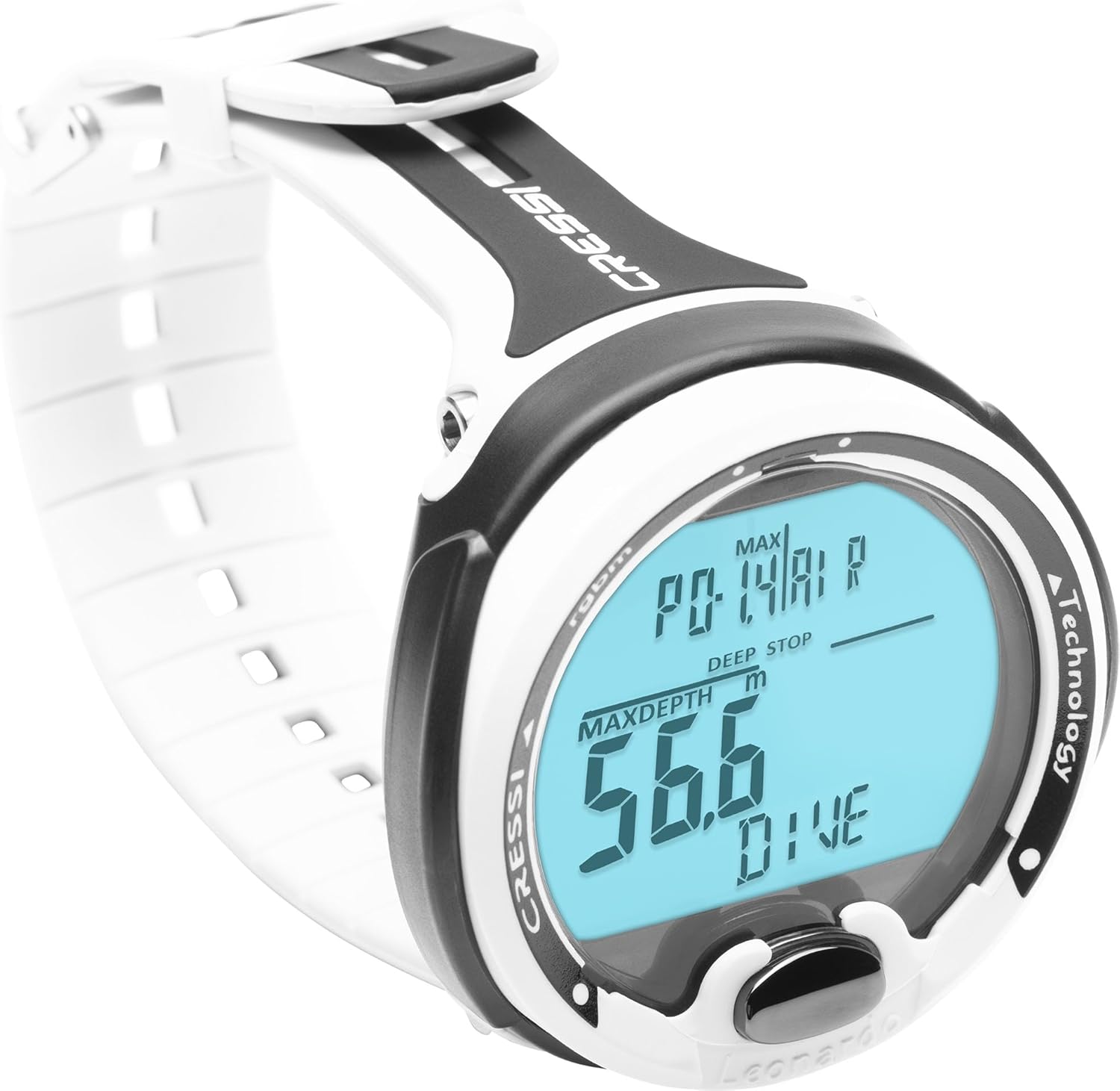
- Best for: Simple, reliable single-button operation
- Display: Monochrome LCD
- Battery: User-replaceable CR battery
- Algorithm: Air/Nitrox
This post may contain affiliate links. As an Amazon Associate we earn from qualifying purchases.
Quick Comparison
| Award | Product | TDB Score About LAT ScoreThe TDB Score is our own rating from 0 to 10, based on performance, design and build, ease of use, and value. It reflects independent research and is never influenced by manufacturers, retailers, or affiliate commissions. How we score | Price | |
|---|---|---|---|---|
| Best Overall |
Shearwater Peregrine Dive Computer
|
8.9/10 | $580.00 | Buy |
| Best Premium |
Suunto Ocean GPS Dive Computer
|
8.8/10 | $799.00 | Buy |
| Best Budget |
 Cressi Donatello Single-Button Dive Computer |
8.4/10 | $274.00 | Buy |
| Best Value |
 Mares Sirius Wrist Dive Computer 150m |
8.4/10 | $628.00 | Buy |
| Top Rated |
Cressi Leonardo 2.0 G2 One-Button Dive Computer
|
8.1/10 | $224.00 | Buy |
| Most Popular |
 Suunto D5 100m Dive Computer |
8.0/10 | $348.99 | Buy |
| Also Great |
 Shearwater Peregrine TX Wrist Dive Computer |
$735.00 | Buy |
Shearwater Peregrine Dive Computer
A feature-rich dive computer built for recreational divers. It offers a clear full-color display, straightforward two-button operation, and the convenience of wireless charging and Bluetooth log syncing.
Pros
- Full-color, customizable display enhances underwater readability.
- Simple two-button interface with stainless steel construction.
- Wireless charging and Bluetooth connectivity for easy data management.
- Solid 30-hour battery life on a single charge.
- Supports multi-gas diving modes and detailed dive logging.
Cons
- Lacks GPS geotagging functionality.
- Battery life may be limiting for extended dive trips without charging access.
Suunto Ocean GPS Dive Computer
Built for divers who also train on land, the Suunto Ocean combines a dive computer, dual-band GPS, and a 1.43-inch AMOLED display. It offers freediving, snorkeling, mermaid diving, and air or nitrox diving modes, plus wireless tank pod compatibility and safety alarms. The 100-meter water resistance, sapphire crystal, and fast charging make it practical for frequent underwater and multisport use.
Pros
- Multiple dive modes, including freediving, snorkeling, mermaid diving, and air or nitrox diving.
- Buhlmann 16 GF algorithm and wireless tank pod compatibility for dive monitoring.
- 1.43-inch AMOLED touchscreen with sapphire crystal and stainless steel.
- 100-meter water resistance and 60-meter depth measurement.
- Up to 26-day standby, 12-day daily use, and 40 hours in dive or GPS mode with about 1-hour charging.
Cons
- At 99 grams, it may feel heavier than smaller sport watches.
- Its dive-focused feature set may be more than casual fitness users need.
- Training plans, dive logs, and app syncing depend on the Suunto app.
Cressi Donatello Single-Button Dive Computer
A versatile wrist computer for scuba and freediving, built around a simple one-button interface. It offers air and nitrox modes, user-selectable deep stops, and robust 150-meter water resistance, making it a reliable technical tool for divers.
Pros
- Intuitive single-button operation simplifies use underwater.
- Versatile for both scuba (air/nitrox) and freediving activities.
- User-selectable deep stops for customized ascent planning.
- Durable with scratch-resistant display and 150m water resistance.
- Easy data transfer via IR and compatibility with Windows/Mac.
Cons
- Lacks built-in GPS for dive site geotagging.
Mares Sirius Wrist Dive Computer 150m
This wrist dive computer combines watch-style design with multigas support for recreational and extended range divers. Its color MIP display, full tilt compass, and hoseless tank integration stand out for divers who want detailed gas and navigation data in one unit. The 150 meter waterproof rating and Bluetooth logbook make it a practical everyday dive tool.
Pros
- ZH-L16C algorithm with gradient factors supports up to five gas mixes, including nitrox and trimix
- Color MIP high-resolution display with three watch faces keeps critical data readable underwater
- Full tilt digital compass, bearing memory, and hoseless tank integration for up to five transmitters
- 100-dive logbook with graphs, Bluetooth smartphone connection, and 30 hours dive time per full charge
Cons
- No GPS geotagging functionality
- Button-only controls
Cressi Leonardo 2.0 G2 One-Button Dive Computer
This versatile dive computer excels in Air, Nitrox, and Gauge modes, making it a solid choice for divers who prefer a streamlined, single-button interface. Its robust design withstands impacts and scratches, while cross-platform connectivity simplifies dive log management.
Pros
- Versatile operation in Air, Nitrox, and Gauge modes
- Intuitive single-button interface for easier underwater use
- Rugged, impact-resistant design
- Seamless integration with iOS and Android devices for data transfer
- User-replaceable battery for long-term convenience
Cons
- Plastic case material may feel less premium compared to metal alternatives
- Lacks GPS geotagging functionality for dive site logging
Suunto D5 100m Dive Computer
The Suunto D5 is a 100m water-resistant dive computer built around wireless tank pressure, vibration alarms, and a digital compass for scuba and freedive use. Its wireless mobile connection and up to 12h dive time suit divers who want compact instrumentation with tactile alerts rather than a basic gauge. Based on specs and a 4.1 average across 128 reviews, it reads as a capable recreational dive computer, not a deep technical tool.
Pros
- 100m water resistance covers many recreational scuba and freedive applications.
- Wireless tank pressure support enables remote cylinder monitoring.
- Vibration alarms provide tactile alerts during dives.
- Digital compass adds basic underwater navigation.
- Wireless mobile connection and up to 12h dive time improve logging and session endurance.
Cons
- 100m rating may be limiting for deeper technical diving.
- 4.1 average from 128 reviews indicates mixed user satisfaction.
Shearwater Peregrine TX Wrist Dive Computer
A full-featured recreational dive computer centered around a large, easy-to-read color screen. It offers wireless air integration and a digital compass, making it a capable tool for divers seeking clear data and navigation aids.
Pros
- Large, full-color 2.2-inch LCD screen for excellent readability.
- Wireless air integration capability for real-time tank pressure data.
- Includes a tilt-compensated digital compass for navigation.
- Long 30-hour battery life from a rechargeable lithium-ion cell.
- Bluetooth connectivity for data syncing to Shearwater Cloud.
How We Picked
Our selection for the 7 dive computers on this list is based on a methodical analysis of specifications, verified user feedback, and professional reviews. We prioritized objective data to ensure our recommendations are grounded in performance and reliability, not just marketing claims. The goal was to identify models that excel across several key criteria crucial for diver safety and experience.
- Decompression Algorithm: The core safety logic, such as Bühlmann ZH-L16 or RGBM.
- Display Readability: Screen size, type (color vs. monochrome), and backlighting.
- Air Integration: Wireless tank pressure monitoring capability.
- User Interface: Complexity of button layout and menu navigation.
- Battery & Connectivity: Battery life, charging method, and Bluetooth for data logging.
Buying Guide: Making Sense of Best Dive Computers
Understanding Decompression Algorithms
The algorithm is the brain of your dive computer, calculating no-decompression limits and ascent rates. Most recreational computers use variations of the Bühlmann ZH-L16 algorithm, which is a trusted standard. Some, like the SUUNTO Ocean Dive Computer, incorporate gradient factors for more conservative or aggressive profiles. The key is to choose an algorithm you understand and trust, as switching between models with different logic can be risky.
Display and Interface Clarity
Underwater, you need information instantly. A large, high-contrast display is non-negotiable. Color screens, like on the Shearwater models, can use color-coding to highlight critical data like decompression status. Equally important is the physical interface. A simple two-button or even single-button design, as seen on the Cressi Donatello Scuba Dive Computer, reduces complexity when you’re focused on your dive. Touchscreens can be useful on the surface but ensure they are responsive with gloves or wet fingers.
Air Integration and Connectivity
Wireless air integration transmits tank pressure directly to your wrist, eliminating the need to check a separate SPG and providing accurate gas time remaining calculations. This is a premium feature that enhances situational awareness. Post-dive, Bluetooth connectivity to a smartphone app is invaluable for logging dives, analyzing profiles, and sharing your adventures. For a deep dive into connected gadgets, explore our headphones reviews.
Quick Checklist
- Does it support the gas mixes you use (Air, Nitrox, Trimix)?
- Is the display large and clear enough for your eyesight?
- Does the battery life suit your diving frequency (rechargeable vs. replaceable)?
- Is the user interface intuitive for you to operate under stress?
- Does it have the connectivity (Bluetooth) and logging features you want?
Related reading: The 7 Best Dive Computers of 2026 for another example of detailed gear analysis.
FAQs
What is the best dive computers in 2026?
The “best” depends entirely on your needs. For most recreational divers, a model with a clear display, reliable algorithm, and good battery life offers the best value. Consider your primary type of diving (recreational, tech, freediving) first.
How important is wireless air integration?
It’s a major convenience and safety enhancer, but not strictly necessary for recreational diving. It reduces hose clutter and provides real-time gas planning data. It’s a feature worth investing in if you frequently do multi-tank or longer dives. For more on device compatibility, see our TVs section.
Can I use a dive computer for freediving?
Yes, but only if it has a dedicated freediving or gauge mode. A standard scuba mode will not provide appropriate surface interval or depth alarms for breath-hold diving. The SUUNTO D5 Dive Computer, Color Display 100m is an example of a computer that caters to multiple disciplines.
What kind of maintenance do they require?
Rinse with fresh water after every saltwater dive. Regularly check the battery compartment O-ring for nicks or debris and have it serviced according to the manufacturer’s schedule (typically every 1-2 years) to maintain water resistance.
Are color displays worth the extra cost?
For improved readability and quicker data interpretation, yes. Color can instantly communicate status (green for OK, red for warning) which is a significant cognitive aid underwater, especially in stressful situations.
How do I get started with my first dive computer?
Read the manual thoroughly and practice all functions on the surface. Set your personal conservatism settings, time/date, and units. Do a few shallow, simple dives to get comfortable reading the display and navigating menus before relying on it for complex dives. For other beginner gear guides, check our musical instruments page.
Final Thoughts
Our shortlist highlights three standout approaches. The Shearwater Peregrine is best for divers who prioritize an intuitive interface and seamless wireless features for a frustration-free experience. The SUUNTO Ocean suits the active adventurer who wants a single device for diving, training, and navigation with top-tier GPS. The Cressi Leonardo 2.0 G2 remains the go-to for those seeking straightforward, reliable operation without complexity. For a broader look at tech, visit our main Computers category. Once your new computer arrives, take time to configure all settings on land, update its firmware if available, and perform a thorough leak check by submerging it in a bowl of water (without pressing buttons) before its first real dive.
About the author
Editor, Baby Gear. Rachel covers strollers, car seats, monitors and nursery gear. She compares ease of use, size and weight, and published safety standards. Her guides link to official safety guidance and never replace it.